Category: Uncategorized

We offer you the best blog which is related to Trekking of Nepal, so join us without any hesitation so we can build together.

  • “Mardi Himal Base Camp Trek: The Ultimate Guide for Adventure”

    “Mardi Himal Base Camp Trek: The Ultimate Guide for Adventure”

    Mardi Himal Base Camp Trek: Conquer the Trail with This Ultimate Adventure Guide

    Best Treks In Nepal offers the Mardi Himal Base Camp Trek which is becoming popular among Trekkers. This base camp lies beneath the iconic Machapuchare (Fishtail Mountain) You need to pass through the Modi Khola & Mardi Khola. The Mardi Himal Trail route is best for solo travelers, beginner trekkers to time-strapped trekkers. Everyone can enjoy the nature like Rhododendron Forest, rugged alpine terrain, and iconic view of Machapuchare as well as the chance to know more about the Gurung culture and tradition in Gurung village. You can have a great time in Nepal while doing the Mardi Himal trek Route.

    "Mardi Himal Base Camp Trek"

    Why To Choose Mardi Himal Base Camp Trek?

    The Mardi Himal Trek route offers stunning views of Machapuchare (Fishtail Mountain) as well as the Annapurna Range which is the best place to see the view for the nature lover and photographer. In the spring season, you will walk through the Rhododendron (National Flower of Nepal) forest with different kinds of colored rhododendron. In Mardi Himal Trail you will be staying at a cozy and budget-friendly guesthouse with warm hospitality of local people. Mardi Himal trek is a short trek route so it is best for beginner trekkers as well as time-strapped trekkers.

    Mardi Himal Base Camp Trek Itinerary

    • Day 1: Pokhara to Kade
    • Day 2: Kade to Low Camp
    • Day 3: Low Camp to High Camp
    • Day 4: High Camp to Mardi Himal Base Camp & back to Siding
    • Day 5: Siding to Pokhara

    Cost Breakdown for Mardi Himal Trail

    The cost of the Mardi Himal trek route depends upon how you wanna go for your trek. In the cost breakdown, you’ll find two service options: budget-friendly and luxury. At a budget-friendly cost, you can have a basic teahouse, all three basic meals, permits, local transportation to the trekking start point, and limited resources. while at a luxury cost, you can have an upgraded lodge, better meals, transportation, private guides & porter for a better experience sometimes even additional amenities like a hot shower, and wifi. so choose wisely which package you wanna choose.

    Mardi Himal Trek Difficulty: A Guide for Beginners and Experts

    The Mardi Himal trail is moderately challenging but with the right preparation and right guidance even beginner trekkers can also complete this route. One of the challenging risks of the Mardi Himal trek route is altitude sickness especially when you reach 3000 meters. To prevent altitude sickness you need to stay hydrated and also carry Diamox as a preventive measure for future problems. Take your time while trekking, and let your body acclimatize slowly to the altitude without pushing yourself too hard.

    Packing requires perfect preparation. Start with layering clothes: down jackets, moisture-absorbent base layers, waterproof out layers, trekking pants, thermal underwear, durable boots, with a sun hat, warm beanie, gloves, and a buff. Essentials like a 50-70 liter backpack, and sleeping bag rated for -20°C. and water bottles with water purification. Safety gear includes a first aid kit, headlamp, map, and trekking poles. Pack toiletries, sunscreen, sunglasses, and personal items like your passport, cash, snacks, and a camera. Optional comforts such as a book or portable charger can enhance your trek.

    Best Time to Hike Mardi Himal for Stunning Views and Perfect Weather

    The best season to Hike the Mardi Himal trek route for stunning views and perfect weather is the Spring season (March to May) and Autumn Season (September to November). In other seasons also you can go for a Mardi Himal hike but it depends on luck to see the stunning views of the mountains.

    Mardi Himal Trek Permits and Regulations: Everything You Need to Know

    Before starting your Mardi Himal trek route, it is essential to know about the permits and regulations. Here is a detailed guide to help you navigate the process smoothly and enjoy the hassle-free adventure.

    Permits: The Annapurna Conservation Area Permit (ACAP) is an essential requirement for trekking the Mardi Himal Trail. The cost for this permit is USD 25 for foreigners and USD 8 for SAARC Nation tourists. The Trekkers’ Information Management System (TIMS) Card helps maintain records of tourists, so you need to obtain it before starting the trek.. So the cost for the permit is USD 17 for individual trekker and USD 8 who trek with guides. You can acquire the permit at the Nepal Tourism Board Office, the Trekking Agencies Association of Nepal (TAAN), or the ACAP counter in both Katmandu and Pokhara.

    Regulation: While trekking to the Mardi Himal trek route you need to carry a pro-licensed porter with you. Practice sustainable trekking: use reusable bottles, respect local culture, and dispose of or carry waste responsibly. So always show your permit at the checkpoint to verify. You also need to have travel insurance.

    Best spots for photography in Mardi Himal Trail

    The best hotspots for the photo shoot during the Mardi Himal Trek route are Badal Danda, Mardi Himal Base Camp & Rhododendron forests.

    Things to do in Mardi Base Camp

    After hiking for a long time, you finally reach Mardi Base Camp. First, celebrate your success or achievement, then enjoy the panoramic mountain views of Mardi Himal, Machhapuchhre (Fishtail Mountain), Annapurna South, and Hiunchuli. Explore the surroundings with trekkers and just capture your beautiful moments on camera. While capturing the memories don’t forget to take a victory photo of Mardi Himal Trekking with a Mardi Himal background. After all this be ready for the descent and please practice to leave no trace principles: carry all trash with you and avoid disturbing the natural surroundings.

    People Also Ask

    • Is the Mardi Himal trek safe for solo travelers?

    Yes, the Mardi Himal Trek route is safe for solo travelers, but you need to have better knowledge about the route. We suggest you take a guide.

    • Is the Mardi Himal Trek suitable for beginners?

    The Mardi Himal Trek suits beginners with proper guidance and good fitness.

    • Is Mardi Himal Trekking is best to Trek?

    Yes, Mardi Himal Trekking is the best trek if you love to lost in nature.

    • How much does Mardi Himal Trek Cost?

    Mardi Himal Trek cost depends on how you wanna do the trek on a budget cost or on a luxury cost.

    • How to avoid altitude sickness?

    To Avoid Altitude sickness you need to ascend slowly, stay hydrated, eat high calorie diet, take medicine and know your limit.

    • What is the risk of altitude sickness on the Mardi Himal Trek?

    The risk of altitude sickness on the Mardi Himal Trek route is not as high then another route like Everest Base Camp Trek. You just need to acclimatize your body.

    • What permits do I need for the Mardi Himal Trek?

    You need two permits for the Mardi Himal Trek: the Annapurna Conservation Area Permit (ACAP) and the Trekkers’ Information Management System (TIMS) Card.

    • Can children do the Mardi Himal Trek?

    Yes, the Mardi Himal Trek route is a moderate trek route so you can do the trek with your children.

    • Are there ATMs on the Mardi Himal Trek route?

    You Can have ATMs only in major cities, Mardi Himal trail you can have an atm on Kade. we prefer you to takeout cash in the city area.

    • What are the best photography spots on the Mardi Himal Trek?

    Mardi Himal trail offers you the real beauty of nature so you can have the best photoshoot while you are trekking, The best places can be Badal Danda, Mardi Himal Base Camp & Rhododendron Forest.

    • How does the difficulty of the Mardi Himal Trek compare to the Annapurna Base Camp Trek?

    Both are moderate trek routes, but your choice depends on your fitness level, time, and preference for solitude or amenities! matters.

    • Can I rent trekking gear in Pokhara for the Mardi Himal Trek?

    Yes you can rent trekking gear in Pokhara as well as in Kathmandu too for the Mardi Himal Trail.

    • Can I do the Mardi Himal Trek in December?

    December is ideal for the Mardi Himal trek, offering fewer crowds compared to October-November. You can get the perfect view of the mountains in December while doing Mardi Himal Base Camp Trek

    • Are there Wi-Fi facilities on the Mardi Himal Trek?

    Yes, Wi-Fi facilities are available throughout the Mardi Himal trail.

    • Is travel insurance mandatory for the Mardi Himal Trek?

    Insurance is mandatory for Mardi Himal, Poon Hill, Annapurna Base Camp, and other treks.. This insurance helps us to rescue you in the future if any unpredictable accident occurs during the trek.

    • What is the food like on the Mardi Himal Trek?

    During the Mardi Himal Trek, you have a full board meal plan for Breakfast you can have milk tea or black tea, biscuits, pancakes, eggs, bread, and oats, And for lunch, you can have Nepali Daal bhat, Noodle soup, Thendup, Thukpa, Porridge and for dinner same as the lunch.

    • What wildlife can I see on the Mardi Himal Trek?

    You will spot wildlife like the Danphe (National Bird of Nepal), Himalayan Thar, monkeys, various butterflies, and rhododendron forests along the Mardi Himal Trail.

    • What cultural villages can I visit on the Mardi Himal Trek?

    Nepal nurtures a diverse mix of castes and cultures, making it a vibrant and harmonious garden. Mostly you can find Bhramin, Magar & Gurung cast culture during the Mardi Himal Base Camp Trek.

    • Has anyone climbed Mardi Himal?

    Yes, Basil Goodfellow first climbed Mardi Himal in 1961 AD

    • Does the Mardi Himal Trek get crowded during peak season?

    Yes, the Mardi Himal trail gets crowded in peak season due to its short, moderate route. Book lodges in advance to secure accommodation.

  • “Best Short Treks in Nepal: Top 5 Scenic Himalayan Hikes for 2025 (Under 1 Week)”

    “Best Short Treks in Nepal: Top 5 Scenic Himalayan Hikes for 2025 (Under 1 Week)”

    Discover Best Short Treks In Nepal: Unforgettable Himalayan Adventures Under 7 Days

    Well Nepal, the land of the Himalayas, is the perfect dream trekking destination for many trekkers from all over the world. Many trekkers dream of doing Everest Base Camp & Annapurna Circuit trek. Not everyone has a long time for a long expedition. Therefore, keeping in mind the time-constrained travelers, we have designed the itinerary accordingly. Best Treks In Nepal offers you the best short trek In Nepal with the full package of magnificent surroundings, cultural experience and Adventure on limited times. Whether you are a beginner trekker or a seasoned trekker, these short treks will be great for limited-time trekkers.

    Best-short-trek-in-nepal-2025

    Why Choose the Best Short Treks in Nepal?

    Here are some reasons to choose a short trek in Nepal:

    A. Time Efficient:

    Short Himalayan Trek is the best for limited-time travelers who want to experience the views and surroundings of the Mountains. These short treks can be completed in 3 to 7 Days and are ideal for them:

    • Busy professionals who won’t be able to extended time off work.
    • Families with young children will be a hassle for trekkers.
    • Beginner trekkers who want to test their limits for treks
    • Stopover travelers visiting Nepal as part of a larger trip to Asia.

    B. Beginner Friendly:

    The main advantage of the short trek in Nepal is that these treks are available for all beginner and experienced trekkers. These treks are designed to be:

    • Moderate in difficulty: Trails are well-specialized, and the elevation acclimatization can be found.
    • Family-friendly: Many short treks, are more suitable and friendly for children and aged adults.
    • Supportive infrastructure: Tea houses along the routes provide comfortable accommodations and meals, for beginners to focus on enjoying their trek.

    C. Scenic Diversity:

    In a short period of time also trekkers can feel:

    • Lush forests: meanwhile trekkers walk through rhododendron, oak, and pine forests while encountering some kinds of wildlife  and birds
    • Terraced fields: As you trek, you’ll pass through picturesque farming villages where locals grow rice, maize, and barley on steep hillsides
    • Traditional villages: Explore charming settlements of people while trekking, where you can see traditional stone houses.
    • Stunning mountain views: While trekking you can encounter the different views of the Himalayas with a clear view.

    D. Cultural Immersion:

    Short treks in Nepal are not only about nature, in this trek, you can experience the rich culture of the local people on the way you guys have the opportunity to:

    • Meet local communities: Gets the opportunity to Interact with ethnic groups like the Gurungs, Sherpas, Tamangs, and Newars, and also know about their unique traditions and lifestyles.
    • Visit monasteries and temples: In the trekking, you can encounter the many monasteries and temples where you can find both Hindu and Buddhist pilgrims.
    • To fully immerse yourself in the culture, make sure to experience local cuisine. For example, never forget to try traditional Nepalese dishes like dal Bhat (lentil soup with rice), momos, and Thukpa at tea houses along the trail.
    • Participate in festivals: Manage to do a trek in the festival season so that you can have an experience of the local festivals.

    Top 5 Short Treks in Nepal:

    best-short-treks-in-nepal-Poon-hill-Trek

    Poon Hill Trek:

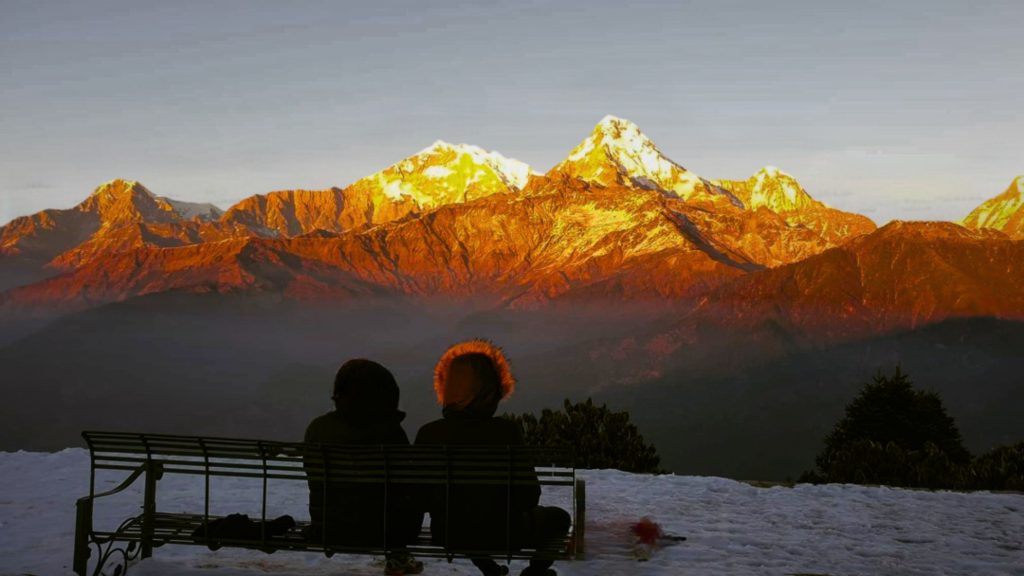
    The Poon Hill trek is a classic Himalayan adventure offering stunning mountain views, cultural experiences, and an easy trail, perfect for a 3-day trek. On Day 1, travel from Pokhara (900m) to Tikhedhunga (1,480m), passing terraced fields and small villages. Day 2 takes you to Ghorepani (2,874m), featuring the challenging Ulleri stairs (3,500 steps), lush rhododendron forests, and views of Annapurna South, Machhapuchhre, and Hiunchuli. On the final day, make sure to hike early to Poon Hill (3,210m), where you can witness a breathtaking sunrise over snow-capped peaks such as Dhaulagiri and Annapurna. Enjoy a photo session before descending and driving back to Pokhara. This short trek combines natural beauty, cultural immersion, and manageable trails, making it ideal for beginners and time-constrained travelers.

    Outline itinerary of Poon Hill Trek:

    Day 1: Pokhara to Tikhedhunga via Nayapul

    Day 2: Tikhedhunga to Ghorepani

    Day 3: Ghorepani to Poon Hill & Back to Pokhara

    Best-short-trek-in-nepal-5-Day-mardi-himal-trek

    Mardi Himal Trek:

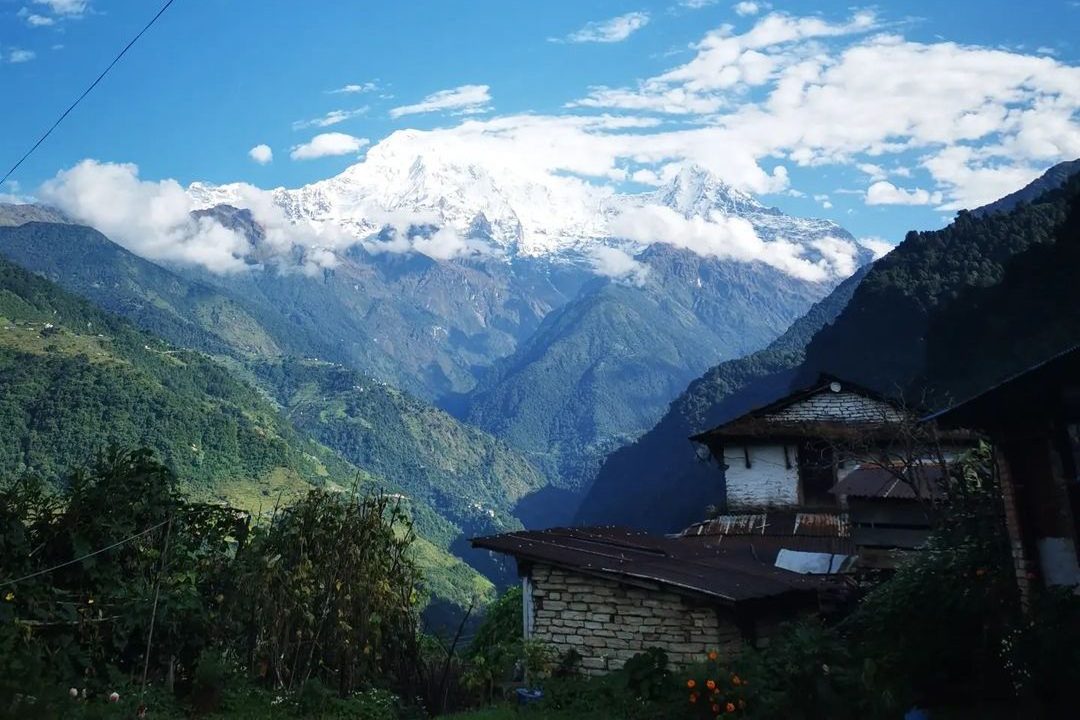
    The Mardi Himal Trek, a less-traveled yet increasingly popular route in the Annapurna region, offers stunning landscapes, mountain views, and tranquility in just 5 days. On Day 1, travel from Pokhara (900m) to Forest Camp (2,600m) via Kande, trekking through lush forests with glimpses of the Annapurna Range. Day 2 takes you to Low Camp (3,150m), passing rhododendron and oak forests, with views of Machapuchhre and Annapurna South. On Day 3, ascend to High Camp (3,550m), traversing alpine meadows and enjoying panoramic views of Annapurna, Hiunchuli, and Machapuchhre. Day 4 involves a trek to Mardi Himal Base Camp (4,500m), where you explore before returning to High Camp. On the final day, descend to Pokhara via Siding Village. This trek is perfect for short-term travelers seeking natural beauty, peace, and adventure in the Himalayas.

    Outline Itinerary of Mardi Himal Trek:

    Day 1: Pokhara to Forest Camp Via Kande

    Day 2: Forest Camp to Low Camp

    Day 3: Low Camp to High Camp

    Day 4: High Camp to Mardi Himal Base Camp & Back to High Camp

    Day 5: High Camp to Pokhara Via Siding Village

    Best-short-trek-in-nepal-Everest-view-trek

    Everest View Trek:

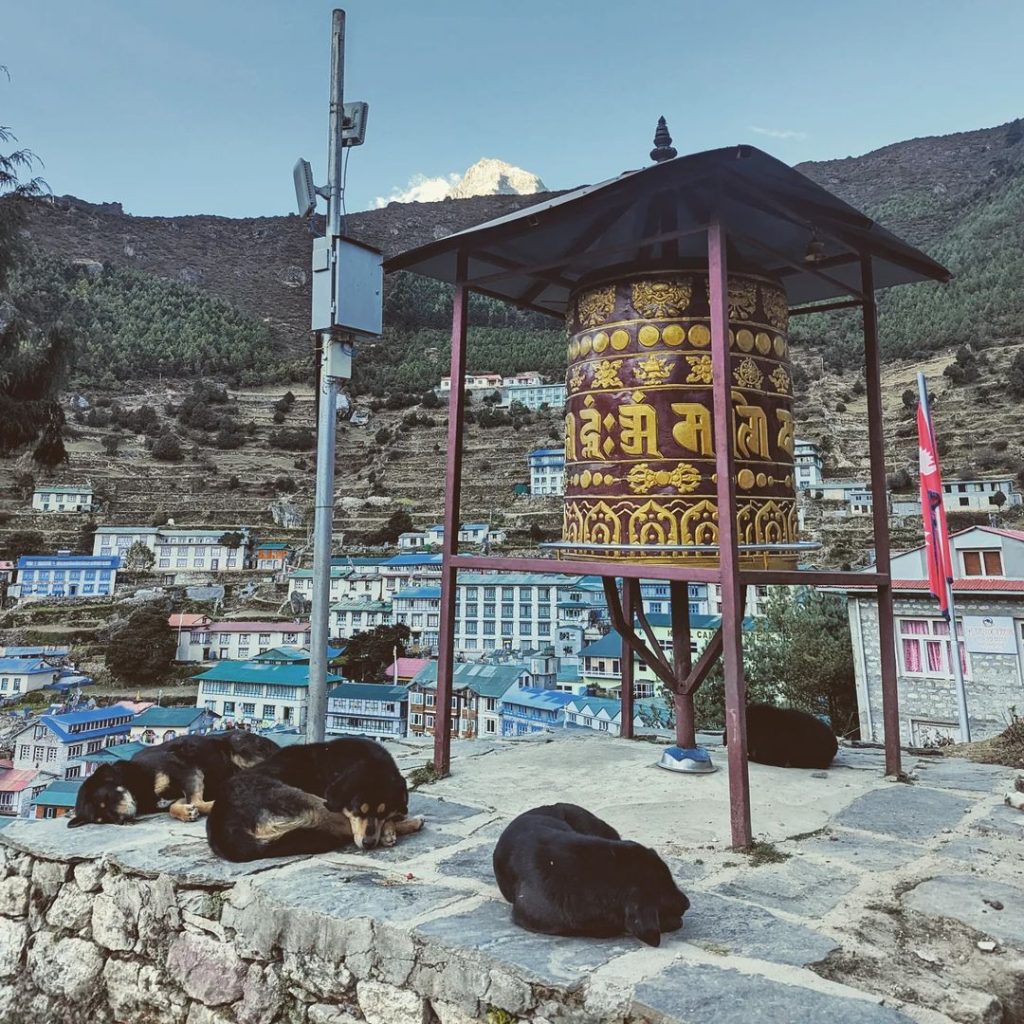
    The Everest View Trek is a shorter, easier alternative to the Everest Base Camp Trek, perfect for time-limited travelers, and completed in 7 days. On Day 1, fly to Lukla, one of the world’s most dangerous airports, and trek to Phakding, passing lush forests and Sherpa villages. Day 2 takes you to Namche Bazaar (3,440m), the gateway to the Everest region, crossing suspension bridges and entering Sagarmatha National Park. Day 3 is an acclimatization day; explore Namche’s markets, bakeries, Khumjung Village, and the Everest View Hotel for stunning views of Mount Everest, Lhotse, and Ama Dablam. On Day 4, trek to Tengboche (3,855m), passing rhododendron forests and visiting the iconic Tengboche Monastery. Day 5 involves descending back to Namche Bazaar, enjoying mountain views and local villages. On Day 6, trek to Lukla, and on Day 7, fly back to Kathmandu. This trek not only combines breathtaking mountain scenery but also offers cultural experiences and manageable trails, making it perfect for beginners and short-term adventurers

    Everest View Trek Outline Itinerary:

    Day 1: Fly to Lukla & Trek to Phadking

    Day 2: Phadking to Namche Bazaar

    Day 3: Acclimatization Day

    Day 4: Namche Bazaar to Tengboche

    Day 5: Tengboche to Namche Bazaar

    Day 6: Namche Bazaar to Lukla

    Day 7: Fly back to Kathmandu

    Best-short-trek-in-nepal-Gosaikunda-trek

    Gosaikunda Trek:

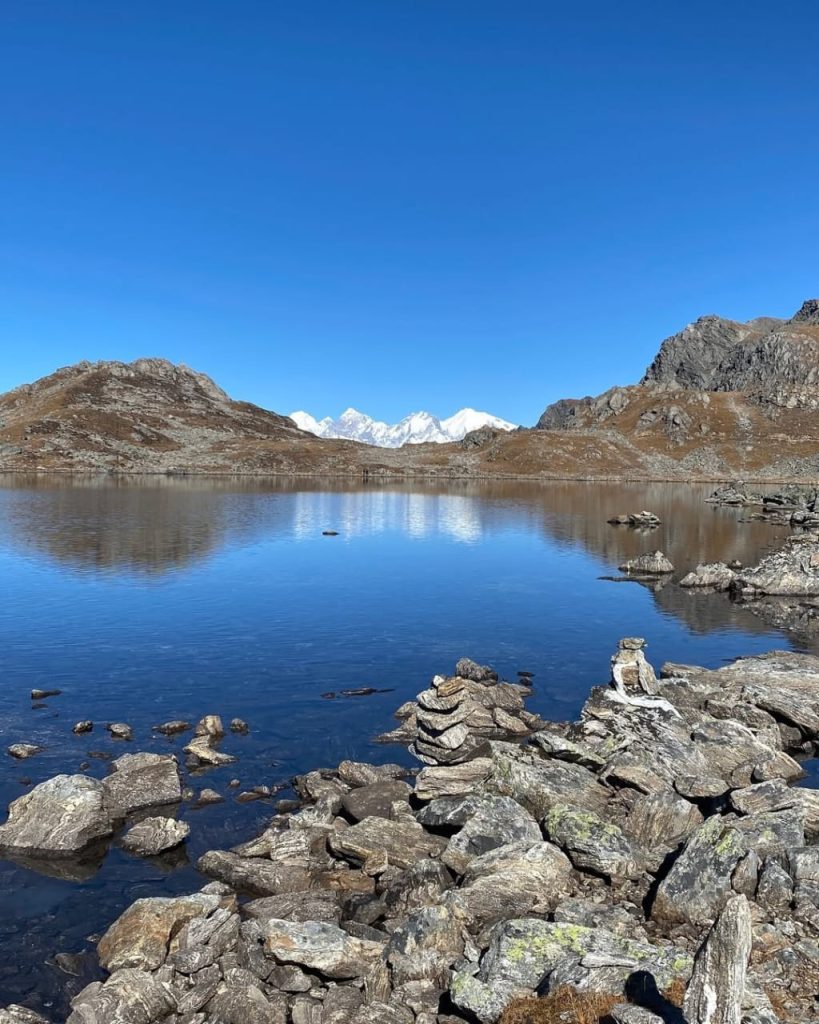
    The Gosaikunda Lake trek, a sacred site for Buddhists and Hindus, combines natural beauty, cultural richness, and religious significance in a 5-day journey. On Day 1, drive from Kathmandu (1,400m) to Dhunche (2,030m), passing lush hills, terraced farms, and the Trishuli River. Day 2 takes you to Chandanbari (3,330m), also known as Sing Gompa, famous for its cheese factory and Buddhist monastery, with views of the Langtang range. Day 3 involves trekking to Gosaikunda Lake (4,380m), offering stunning vistas of the Langtang range and the serene lake, where you can perform religious rituals. On Day 4, descend back to Chandanbari, cherishing memories of Gosaikunda. On the final day, the itinerary includes a trek to Dhunche, followed by a drive back to Kathmandu. As a result, this short trek is ideal for time-constrained travelers seeking a blend of adventure, spirituality, and natural beauty.

    Outline Itinerary of Gosaikunda Trek:

    Day 1: Drive from Kathmandu to Dhunche

    Day 2: Dhuche to Chandanbari

    Day 3: Chandanbari to Gosaikunda Lake

    Day 4: Gosaikunda Lake to Chandanbari

    Day 5: Chandanbari to Dhunche & Drive to Kathmandu

    Best-short-trek-in-nepal-7-Day-Everest-Base-Camp-Trek-with-Helicopter-return

    7-Day Everest Base Camp Trek with Helicopter Return:

    The 7-Day Everest Base Camp Trek with Helicopter Return offers a perfect blend of adventure, luxury, and stunning natural beauty, ideal for time-constrained travelers. Starting with a thrilling flight to Lukla, one of the world’s most dangerous airports, the trek begins with a walk to Phakding, passing through charming villages. The next day, you’ll head to Namche Bazaar, the gateway to the Everest region, crossing suspension bridges and entering Sagarmatha National Park, with your first glimpse of Mount Everest.

    Day three is an acclimatization day, allowing you to explore Namche Bazaar, its culture, and the Everest View Hotel for breathtaking views of Everest, Lhotse, and Ama Dablam. On day four, trek to Tengboche through lush forests and visit the renowned Tengboche Monastery. Day five takes you to Dingboche (4,360m), passing rhododendron forests and picturesque villages. The following day, ascend to Lobuche (4,930m), passing memorials for climbers who lost their lives on Everest.

    The final day begins early with a trek to Everest Base Camp via Gorakshep. After exploring the base camp and capturing unforgettable moments, a helicopter whisks you back to Kathmandu, offering stunning aerial views of Everest, Nuptse, Lhotse, and Ama Dablam. This trek combines adventure with comfort, creating memories to last a lifetime.

    7-Day Everest Base Camp Trek with Helicopter Return Outline Itinerary:

    Day 1: Fly to Lukla & Trek to Phadking

    Day 2: Phadking to Namche Bazaar

    Day 3: Acclimatization Day

    Day 4: Namche Bazaar to Tengboche

    Day 5: Tengboche to Dingboche

    Day 6: Dingboche to Lobuche

    Day 7: Lobuche to Everest Base Camp via Gorakshep & helicopter return.

    Why Best Short Treks in Nepal are gaining popularity?

     Best Short Treks in Nepal are gaining popularity because of their unique and growing demands for micro-adventures. More people cannot go for the long expedition because of several problems like the shortage of time, and family. In a short trek in Nepal in a short period of time you can get the combo offer of natural beauty, culture, and tradition.  so what you are waiting for just give us a call to explore the Best treks in Nepal 2025.

  • Annapurna Circuit Trek 10 Days

    Annapurna Circuit Trek 10 Days

    Annapurna Circuit Trek 10 Days is widely famous among trekkers likewise Everest Base Camp Trek, Annapurna Base Camp Trek, and Langtang Valley Trek. Annapurna Circuit treks offer a diverse range of the landscapes of the Annapurna Region, dense forest as well as alpine meadows and high mountain passes.  The main attractions of the Annapurna Circuit Trek are magnificent views of Annapurna peaks, Thorang La Pass (the highest point of this trekking at 5416M, and habitats of Gurung & Thakali Culture & Tradition. So a large number of trekkers visit every year. The Trek basically completed in 10 Days. Annapurna Circuit trek starts from Besisahar and finally finishes in Pokhara by crossing through several villages Chame, Pisang, Manang, Yak Kharka, Thorang Phedi, Muktinath, Thorang La Pass. During this Trekking in Nepal, you stay at a Tea house operated by the local people.

    What is Annapurna Circuit Trek?

    Annapurna Circuit Trek is the trek that usually offers a combination of nature views and the culture of local community people. Annapurna Circuit Trek lies in the Annapurna region of Gandaki province, North Central of Nepal. Usually, Foreigner loves to explore the Annapurna Circuit Trek.

    Major Attraction of Annapurna Circuit Trek

    The Major Attractions of the Annapurna Circuit Trek are:

    Annapurna Peaks: During Annapurna Circuit Treks you get the chances to see many peaks of the Annapurna range, Dhaulagiri Range, Macchapuchre, Gangapurna, Chulu, Nilgiri Himal with your own eyes from close range.

    Thorang La Pass:  Another main attraction is Thorang La Pass which is the highest point of this trek with a height of 5416M. It is also known as the Gateway of Annapurna Circuit trek. so from this trek, you can see the stunning view of peaks like Annapurna and Dhaulagiri.

    Cultural Awareness: Likewise Annapurna Circuit offers the proper combination of culture and tradition of the Thakali Community and Gurung communities where you can see the practices of Tibetan Buddhism and Hinduism.

    Annapurna Circuit Trek Duration:

    This Annapurna Circuit Trek is for 10 Days.

    Annapurna Circuit Trek 10 Days itinerary :

    • Day 1: Kathmandu to Besisahar
    • Day 2: Besisahar to Chame
    • Day 3: Chame to Pisang
    • Day 4: Pisang to Manang
    • Day 5: Acclimatization in Manang
    • Day 6: Manag to Yak Kharka
    • Day 7: Yak Kharka to Thorang- Phedi
    • Day 8: Thorang-Phedi to Muktinath
    • Day 9: Muktinath to Pokhara
    • Day 10: Pokhara to Kathmandu

    Here are some question that arises to trekkers who want to know about the Annapurna Circuit Trek :

    What is the best time to Trek Annapurna Circuit?

    The best time to Trek the Annapurna Circuit is during the spring and the Autumn. This time offers you the best weather conditions, clear skies, and stunning views. In the spring and autumn, more numbers of trekkers come to trek than usual in monsoon and winter. So In the spring season, you can encounter the rhododendron in full bloom adding vibrant colors to Landscapes. Likewise in autumn, you can experience local festivals like Dashain & Tihar, adding a cultural dimension to your trek.

    What Are the Permits Required for Annapurna Circuit Trek & Where Can You Get The Permit?

    The permits that are usually required for the Annapurna Circuit trek are the Annapurna Conservation Area Permit (ACAP) and Trekkers’ Information Management System (TIMS) Card. For ACAP you can collect it from the Nepal Tourism Board office in Kathmandu or Pokhara. For TIMS You can collect it from the Nepal Tourism Board of Nepal Kathmandu or Pokhara & also from the Trekking Agencies Association Of Nepal (TAAN) office in Kathmandu & Pokhara. Although we suggest you collaborate with your trekking agency.

    How Can Can We Get ACAP & TIMS The Permit?

    To collect ACAP you need to pay Rs 3000 per If you are Foreign National for SAARC National Rs 400 per person. To get ACAP you have to provide a valid passport photocopy, a recent passport-size photo, and your trekking itinerary details. For TIMS you need to pay RS 2000 per person for independent Trekkers, for Agency Clients you need to pay only RS 1000 per person. To collect the TIMS you need to provide a valid passport photocopy, a recent passport-size photo, and your trekking itinerary details. After all your paperwork is done then you gets the ACAP & TIMS permit.

    What Is the Total Distance Covered in an Annapurna Circuit Trek?

    The Total Distance Covered in a 10-day Annapurna Circuit Trek is  140 KM.

    What To Pack for Annapurna Circuit Trek?

    So packing for  Annapurna Circuit Trek requires perfect preparations. Start with layering clothes: down jackets, moisture-absorbent base layers, waterproof out layers, trekking pants, thermal underwear, durable boots, with a sun hat, warm beanie, gloves, and a buff. Essentials like a 50-70 liter backpack, and sleeping bag rated for -20°C. and water bottles with water purification. Safety gear includes a first aid kit, headlamp, map, and trekking poles. Pack toiletries, sunscreen, sunglasses, and personal items like your passport, cash, snacks, and a camera. Optional comforts such as a book or portable charger can enhance your trek.

    Which one is better Annapurna Base Camp Trek vs Annapurna Circuit Trek?

    Both trek route have different importance, To choose which one is better it will be decided by the preference of the people.

    Can we do the Annapurna Circuit trek without a guide?

    Yes, you can do Annapurna Circuit Trek without a guide, but we suggest you take a guide for your own safety.

    How Difficult Is Annapurna Circuit Trek?

    Annapurna Circuit Trek is a challenging trek route that needs fitness trekkers.

    What kind of accommodation is available in Annapurna Circuit Trek?

    In Annapurna Circuit Trek you will find a cozy room with basic amenities run by local people.

    Can we start Annapurna Circuit Trek from Pokhara?

    Yes, obviously you can start your Annapurna Circuit Trek from Pokhara.

  • Where Does Everest Base Camp Trek Start?

    Where Does Everest Base Camp Trek Start?

    Where does the Everest Base Camp Trek start? Do you guys have any idea about it? So if you are looking at the starting point of the Everest Base Camp Trek therefore read the articles carefully? Which helps you very much while you trek in Everest Base Camp Trek . So Advance good luck for the Everest Base Camp Trek.

    The trekking region includes in Nepal are Everest Region, Annapurna Region , Langtang region and so on. Among so many trekking routes in Nepal, Everest Base Camp is one of the most popular dream destinations for trekkers. Basically, Everest Base Camp Trek is all famous for the spectacular view of snowy Mountains, diverse landscapes, rich culture and tradition of the local community, and the challenges of trekking at high altitude. So many numbers of trekkers come every year to Nepal to trek in Everest Base Camp. However trekkers take is as a personal milestone dream to reach Everest Base camp. This trek route is so well established trekking route in Nepal. Everest Base Camp Trek also offers economic stability to the trekking company, guides, porters, and hotels. EBC is also famous for its photography which provides the chance to photograph the speciality of Himalayan flora and fauna.

    How to reach the starting point of Everest Base Camp Trek

    However Everest Base Camp trek officially starts from Lukla a village that lies in the Khumbu region Eastern part of Nepal. Lukla is also known as the Gateway of Everest Region. There the two alternatives to reach Lukla.

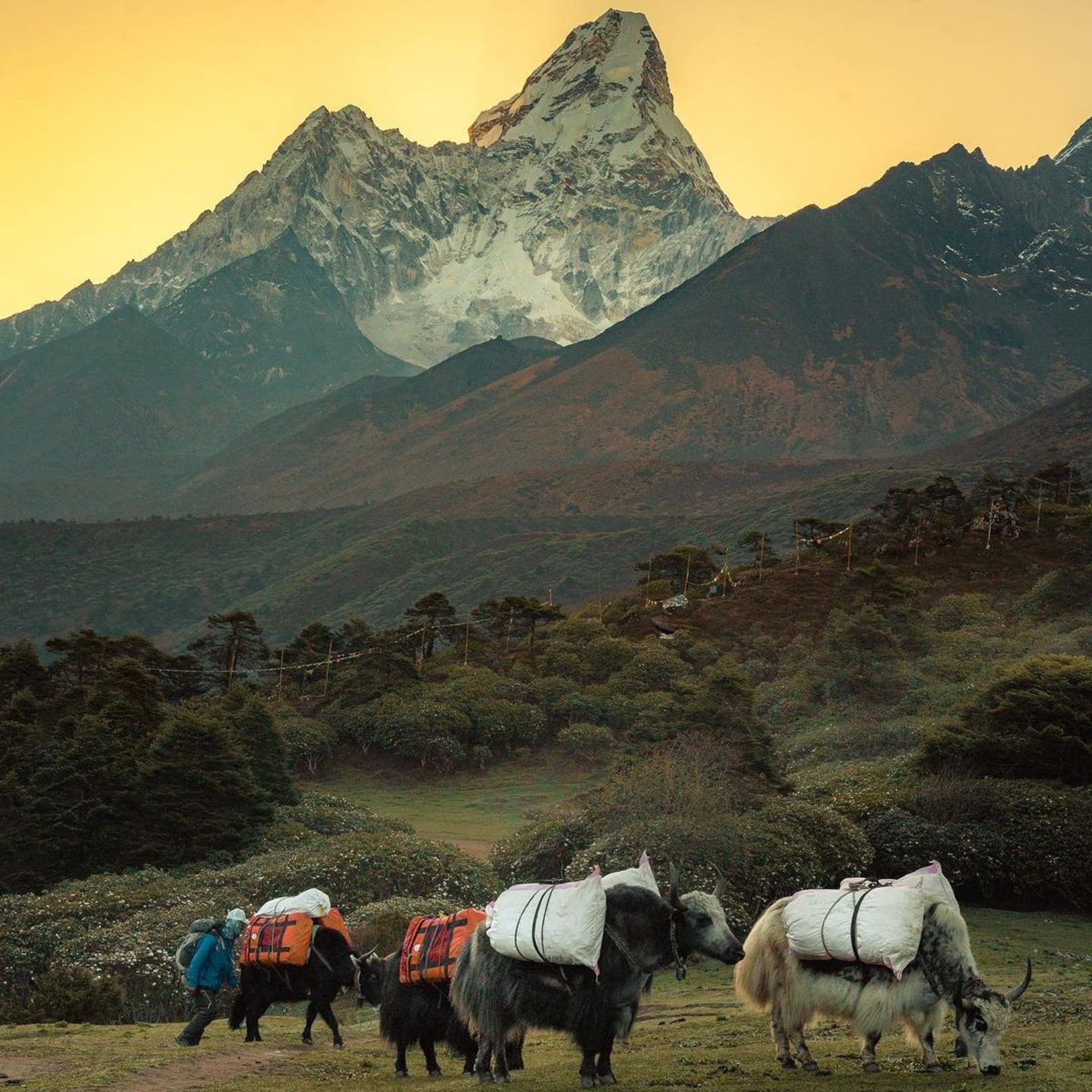
    Flight from Kathmandu to Lukla: The easiest way to reach Lukla is by small airplanes like De-Havilland DHC-6 Twin Otters and the Dornier Do-228s. It takes only 35 minutes to reach Lukla Airport from Tribhuvan Domestic Airport. Airlines company like Tara Air, Sita Air, and Surya Air offers flights to Lukla. While you travel by flight then you get a chances to encounter stunning views of the snowy capped Mountains, as well as also experience the thrill of landing on the world’s most dangerous airport runway.

    Drive and trek from Jiri: The advantage of driving and trek from Jiri is to avoid the unpredictable flight cancellation of Lukla. On the way to Jiri, additionally you gets a chances to acclimatize your self in the local and explore the real beauty of nature.

    The outline Itinerary of Everest Base Camp Trek 12 Days:

    • Day 1: Kathmandu to Lulka and Trek to Phadking
    • Day 2: Phadking to Namche Bazaar
    • Day 3: Acclimatization in Namche Bazaar
    • Day 4: Namche Bazaar to Tengboche
    • Day 5: Tengboche to Dingboche
    • Day 6: Acclimatization in Dingboche
    • Day 7: Dingboche to Lobuche
    • Day 8: Lobuche to Gorakshep & Hike to Everest Base Camp Trek
    • Day 9: Everest Base Camp to Kala Patthar & trek to Periche
    • Day 10: Periche to Namche Bazaar
    • Day 11: Namche Bazaar to Lukla
    • Day 12: Lukla to Kathmandu

    Furthermore details itinerary click on Everest Base Camp Trek 12 Days

    Highlights of the Everest Base Camp Trek :

    1. Breathtaking views of Mount Everest, Lhotse, Nuptse, and other Himalayan peaks
    2. Immersion in Sherpa culture and traditions, including visits to monasteries and cultural landmarks
    3. Achievement of reaching Everest Base Camp, a legendary milestone for trekkers
    4. Panoramic vistas from Kala Patthar, offer unparalleled sunrise views of Everest
    5. Scenic flights to and from Lukla, provide aerial views of the Himalayas

    Culture and tradition:

    The Everest Region is known as the hometown of the Sherpa community people recognized for their mountaineering skills and warm hospitality. On the trekking, you get a chance to take a glance of the vibrant monasteries, prayer wheels, Chortens, and prayer flags all related to the Buddhist culture. You also get a chance to explore the Tengboche Monastery which is the biggest monastery in the Everest region. Tengboche Monastery offers a glimpse into the spiritual life of the sherpa community.

    Nature and vegetation:

    Everest Camp trek offers diverse landscapes, from lush green forests to alpine. This region is also famous for the Sagarmatha National Park which is also considered as a World heritage site by UNESCO. This park offers many numbers of flora and fauna. You can see the musk deer, and Himalayan thar during the trek but if you are lucky enough you can also encounter the snow leopard.

    Best Time to Visit:

    The best time to Visit Everest Base Camp is during the spring and the Autumn. This time offers you the best weather conditions, clear skies, and stunning views. In the spring and autumn, more numbers of trekkers come to trek than the usual in monsoon and winter. So In the spring season, you can encounter the rhododendron in full bloom adding vibrant colors to Landscapes. In autumn you can experience the local festival like Dashain & Tihar, adding a cultural dimension to your trek.

    Accommodation :

    The primary form of the Everest Base Camp trek is the tea house. These small lodges are run by local families providing the basic amenities for the trekkers. You can also find luxury lodges during the trek in big villages like Lukla and Namche Bazaar. In tea houses, you can find warm and cozy atmosphere accommodation.

    Meals:

    In this trek, you will have Breakfast, Lunch & Dinner for your entire trek. Here is the detail about the meal available during the trek.

    Breakfast: Eggs, Pancakes, Muesli Breads, Oatmeal, Corn Flakes, French toast with Jam, Butter, Cheese, Honey, Tibetan bread or Chapati, Fruits and Vegetables, Hot drinks, Tea

    Lunch: Dhal, Bhat, & Tarkari, Tenduk Spaghetti Noodles, Thukpa, Pasta, Vegetable curry, Potatoes, Tibetan Bread, Various Soups, Sherpa Stew, Steaks, Sandwiches, Momo (dumplings), Macaroni dishes, Vegetables, Salad Pizza, Snacks, Desserts etc

    Dinner: Tenduk Spaghetti, Noodles Thukpa, Pasta, Vegetable curry, Dhal, Bhat & Tarkari, Tibetan Bread, Various Soups, Sherpa Stew, Steaks, Sandwiches, Momo (dumplings), Macaroni, Potatoes items, Vegetable and salad Pizza, Snacks, Korean Ramen, Desserts items, Hard Drinks, Steaks, etc.

    Duration & Cost:

    In fact the Everest Base Camp trek is normally for 12 Days. In 12 days you can explore some of the most stunning landscapes in the Himalayas. You need to walk daily 5 to 6 hours to reach the destination. However the cost of the trekking packages depends on how many days of trekking, and what kind of services you want to take. The cost range can be from $1300 and above. This cost covers all the expenses of the trekking guide, porter lodging, and food through the trek.

    Grades and fitness level:

    Everest Base Camp Trek is graded as moderate to challenging. Specifically this trek requires a physically fit, Through prior trekking is not necessary. Therefore taking acclimatization in some places helps to adjust to the high altitudes and reduce the risk of altitude sickness.

    Packing list:

    The packing list needed for the Everest Base Camp Trek is

    Clothing: Layered clothing for varying temperatures, waterproof jacket and pants, thermal underwear, and a warm hat.

    Footwear: Sturdy trekking boots, camp shoes, and warm socks.

    Gear: Backpack, sleeping bag, trekking poles, headlamp, and water bottles.

    Miscellaneous: Sunscreen, sunglasses, first aid kit, toiletries, and personal medication.

  • “Trek in Nepal: Your Ultimate Guide to Himalayan Adventures”

    “Trek in Nepal: Your Ultimate Guide to Himalayan Adventures”

    Commencing a trekking adventure in Nepal is a dream for many outdoor enthusiasts. With its majestic Himalayan peaks, diverse landscapes, and rich cultural heritage, Nepal offers an unparalleled experience for trekkers of all levels. Whether you’re a seasoned trekker looking to conquer Everest Base Camp or a beginner eager to explore the scenic trails of the Annapurna region, Nepal has something for everyone. In this comprehensive guide, we’ll provide you with all the essential tips and information you need to plan and prepare for your trekking adventure in Nepal. From choosing the right trekking route to packing the necessary gear, acclimatizing to high altitudes, and respecting local customs, we’ll cover everything you need to know to make the most of your Himalayan adventure.

    Choosing the Right Trekking Route:

    Nepal boasts a wide variety of trekking routes, each offering its unique blend of scenery, culture, and challenge. Before embarking on your trekking adventure, it’s essential to choose a route that suits your interests, fitness level, and experience. Here are some of the most popular trekking routes in Nepal:

    • Everest Base Camp Trek: Follow in the footsteps of mountaineering legends as you trek to the base camp of the world’s highest peak, Mount Everest. This iconic trek offers stunning views of Everest and the surrounding Himalayan peaks, as well as opportunities to explore Sherpa villages and monasteries along the way.
    • Annapurna Circuit Trek: Known for its diverse landscapes and cultural diversity, the Annapurna Circuit is one of Nepal’s most popular trekking routes. This trek takes you through lush forests, arid valleys, and high mountain passes, with breathtaking views of the Annapurna and Dhaulagiri mountain ranges.
    • Langtang Valley Trek: Nestled close to the Tibetan border, the Langtang Valley offers a less crowded trekking experience with spectacular mountain scenery and encounters with local Tamang and Sherpa communities.
    • Ghorepani Poon Hill Trek: Perfect for beginners and those short on time, the Ghorepani Poon Hill trek offers panoramic views of the Annapurna and Dhaulagiri ranges from the iconic viewpoint of Poon Hill.
    • Manaslu Circuit Trek: For those seeking a more remote and off-the-beaten-path trekking experience, the Manaslu Circuit offers pristine mountain scenery, traditional villages, and encounters with the indigenous Tibetan-speaking people of the region.

    Essential Trekking Tips:

    Once you’ve chosen your trekking route, it’s time to start preparing for your adventure. Here are some essential trekking tips to help you make the most of your experience:

    • Start Training Early: Trekking in Nepal can be physically demanding, especially if you’re tackling high-altitude routes. Start training at least a few months before your trek to build up your stamina and endurance.
    • Pack Wisely: When it comes to trekking gear, less is often more. Pack light but don’t skimp on essential items like sturdy hiking boots, a warm sleeping bag, and layers of clothing for varying weather conditions.
    • Acclimatize Properly: Altitude sickness can be a serious concern when trekking in Nepal’s high-altitude regions. Take your time to acclimatize properly by ascending gradually and staying hydrated.
    • Respect Local Culture: Nepal is a diverse country with many different ethnic groups and cultures. Be respectful of local customs and traditions, especially when visiting religious sites and villages.
    • Stay Safe: Always trek with a reputable guide or trekking agency, especially if you’re venturing into remote or high-altitude areas. Carry a first-aid kit, stay hydrated, and listen to your body.

    Best Time to Trek in Nepal

    Nepal experiences four distinct seasons, each offering its advantages and challenges for trekking. Here’s a breakdown of the best time to trek in Nepal:

    • Spring (March to May): Spring is considered one of the best times to trek in Nepal, with clear skies, moderate temperatures, and blooming rhododendrons adding color to the landscape.
    • Autumn (September to November): Autumn is another popular trekking season in Nepal, with stable weather conditions, clear mountain views, and festive celebrations like Dashain and Tihar.
    • Winter (December to February): While winter brings colder temperatures and the possibility of snow at higher elevations, it’s still possible to trek in Nepal during this time, especially in lower-altitude regions like the Annapurna foothills.
    • Summer/Monsoon (June to August): The summer months bring heavy rainfall and high humidity to Nepal, making trekking challenging and potentially dangerous due to landslides and leeches.

    Cultural Insights

    Trekking in Nepal isn’t just about the scenery – it’s also an opportunity to immerse yourself in the country’s rich cultural heritage. Here are some cultural insights to keep in mind during your trek:

    1. Greet Locals with Namaste: The traditional greeting in Nepal is “Namaste,” with hands pressed together in a prayer-like gesture. Show respect to locals by using this greeting when meeting them on the trail.
    2. Visit Monasteries and Temples: Nepal is home to numerous monasteries, temples, and sacred sites. Take the time to visit these cultural landmarks and learn about the country’s religious traditions.
    3. Try Local Cuisine: Sample traditional Nepali dishes like dal bhat (rice and lentils), momos (dumplings), and Thukpa (noodle soup) during your trek. Food is an integral part of Nepali culture, and trying local cuisine is a great way to connect with the local culture.
    4. Learn Basic Phrases: While English is widely spoken in tourist areas, learning a few basic Nepali phrases can go a long way in building rapport with locals and showing respect for their culture.

    Conclusion:

    Trekking in Nepal is a truly unforgettable experience that offers stunning landscapes, rich cultural heritage, and unparalleled adventure. By following the tips and advice outlined in this guide, you’ll be well-prepared to embark on your Himalayan adventure and create memories that will last a lifetime. So lace up your boots, pack your bags, and get ready to explore the wonders of Nepal on foot.

    Remember, the journey is as important as the destination, so take your time, savor the moments, and embrace the magic of trekking in Nepal.

  • 10 Best Treks in Nepal

    10 Best Treks in Nepal

    Nepal, home to the world’s tallest peaks and diverse landscapes, is a trekker’s paradise. From legendary routes to off-the-beaten-path trails. The Himalayan nation offers an array of trekking experiences that cater to adventurers of all levels. However in this guide, we’ll embark on a journey to explore the 10 best treks in Nepal. Each trek promises a unique and unforgettable adventure amidst awe-inspiring natural beauty.

    1. Everest Base Camp Trek: Commence on a legendary journey to the foot of the world’s highest peak, Mount Everest. The easiest treks are often the most popular. However the Everest Base Camp trek takes you through picturesque Sherpa villages, ancient monasteries, and breathtaking valleys, offering panoramic views of Everest, Lhotse, and Ama Dablam along the way. In fact this iconic trek is a bucket-list adventure for trekkers worldwide, providing an opportunity to witness the towering Himalayan giants up close.

    2. Annapurna Circuit Trek: Similarly Annapurna Circuit Trek is also quite popular among the trekkers like Everest Base Camp Trek. Traverse the diverse landscapes of the Annapurna region on the classic Annapurna Circuit trek. Trek through lush forests, terraced fields, and traditional villages, while enjoying stunning views of the Annapurna and Dhaulagiri mountain ranges. Encounter diverse ethnic communities, including Gurungs and Manangis, and immerse yourself in the rich cultural heritage of the region.

    3. Langtang Valley Trek: Discover the hidden gem of the Langtang Valley, nestled amidst the Langtang Himalayas. The Langtang Valley trek takes you through dense forests, alpine meadows, and traditional Tamang villages, offering opportunities to spot rare wildlife such as red pandas and Himalayan thars. Experience the warm hospitality of the locals and witness breathtaking views of peaks like Langtang Lirung and Ganesh Himal.

    4. Manaslu Circuit Trek: Enter on an off-the-beaten-path adventure around the eighth-highest peak in the world, Mount Manaslu. Undoubtedly The Manaslu Circuit trek offers a remote and less-traveled route through pristine wilderness, ancient monasteries, and traditional villages. Trek through high mountain passes, cross suspension bridges, and therefore immerse yourself in the unique culture of the Manaslu region.

    5. Upper Mustang Trek: Journey to the ancient kingdom of Mustang and explore its rugged landscapes, medieval villages, and mystical caves. The Upper Mustang trek takes you through arid valleys, towering cliffs, and colorful rock formations, offering a glimpse into a land untouched by time. consequently Encounter Tibetan-influenced culture, ancient monasteries, and the legendary Lo Manthang palace on this unforgettable journey.

    6. Gokyo Lakes Trek: Experience the pristine beauty of the Gokyo Valley on the Gokyo Lakes trek. Trek alongside turquoise glacial lakes, ascend Gokyo Ri for panoramic views of Everest and neighboring peaks and cross the legendary Cho La Pass. This trek offers a quieter alternative to the Everest Base Camp route, with stunning vistas and also including opportunities for cultural immersion.

    7. Mardi Himal Trek: For a shorter trek with equally breathtaking views, consider the Mardi Himal trek. Trek through rhododendron forests, terraced fields, and high alpine pastures to reach the base of Mardi Himal. Enjoy close-up views of Machhapuchhre and the Annapurna range, as well as opportunities to interact with local communities along the way.

    8. Kanchenjunga Base Camp Trek: Venture to the remote eastern region of Nepal for the Kanchenjunga Base Camp trek. Trek through pristine wilderness, traditional Rai and Limbu villages, and dense rhododendron forests. Encounter stunning views of Mount Kanchenjunga, the third-highest peak in the world, and immerse yourself in the rich cultural heritage of the region.

    9. Helambu Circuit Trek: Escape the hustle and bustle of city life on the tranquil Helambu Circuit Trek. Trek through lush forests, terraced fields, and traditional Sherpa villages, while enjoying panoramic views of the Langtang range. Experience the warm hospitality of the locals and witness the unique culture and traditions of the Helambu region.

    10. Dolpo Trek: Explore the remote landscapes of Dolpo on this challenging trek through rugged terrain and high mountain passes. Trek through pristine alpine valleys, ancient monasteries, and traditional Tibetan villages. Encounter nomadic communities, yaks grazing on high-altitude pastures, and pristine alpine lakes on this off-the-beaten-path adventure.

    Conclusion: With its towering peaks, diverse landscapes, and rich cultural heritage, Nepal offers some of the best trekking experiences in the world. Whether you’re seeking a classic trek to Everest Base Camp or an off-the-beaten-path adventure in the remote corners of the Himalayas, Nepal has something for every adventurer. So lace up your boots, pack your sense of adventure, and embark on an unforgettable journey through the breathtaking landscapes of the Himalayas.